
Hybrid Editorial Concept Platform
Project Type: Self-Initiated Editorial Concept
Role: Concept Development, Art Direction, System Architecture, Layout Design, Motion Integration Framework
The Challenge
Traditional print editorial offers permanence but lacks interactivity.
Digital content offers motion and accessibility but is often fragmented and disposable.
The challenge was to explore whether a unified system could bridge these formats, preserving the authority of print while introducing the narrative continuity and engagement of mobile-first storytelling.
The Concept
FOCUS+ is a speculative editorial platform designed to integrate print design with motion-enabled digital storytelling through a cohesive narrative architecture. Rather than treating print and digital as separate outputs, FOCUS+ frames them as interconnected layers of a single storytelling system.
Each issue is structured around:
- A designed print cover
- QR-enabled transition
- Mobile-optimized narrative sequencing
- Motion-enhanced slide architecture
- Visual continuity between static and dynamic formats
The goal was to reimagine editorial publishing as a scalable hybrid framework rather than a format-bound medium.
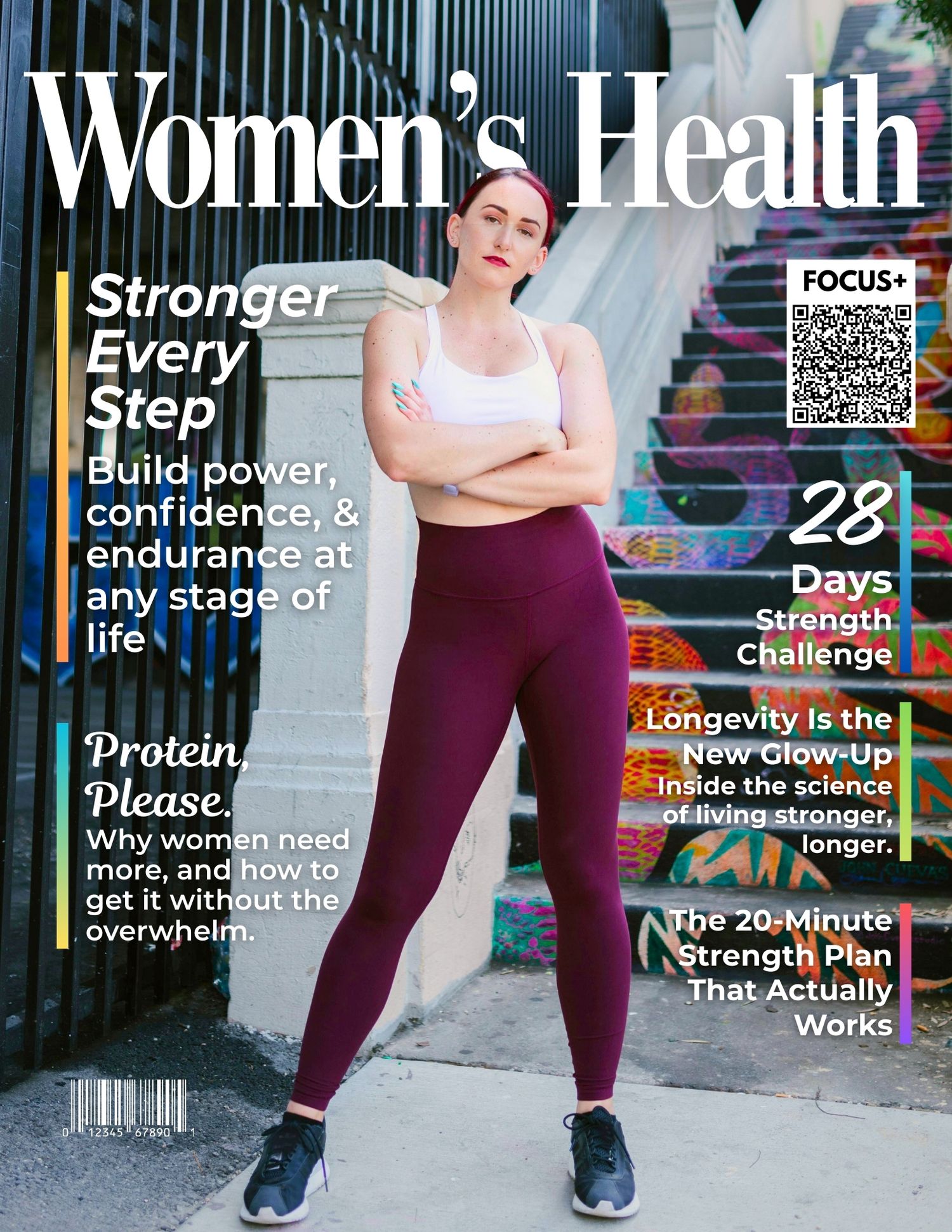

The print cover functions as the narrative entry point. QR integration is embedded within the layout system rather than treated as a technical afterthought, preserving editorial integrity while enabling digital continuity.
Strategic Approach
The platform was designed around three core principles:
1. Continuity
Every print element serves as an entry point into a deeper digital narrative.
2. Narrative Sequencing
The digital experience follows editorial pacing, not social media fragmentation, maintaining story structure across slides.
3. Scalable Architecture
The system can be adapted across publishing, brand campaigns, product launches, and experiential activations.
This approach reframes editorial as an integrated storytelling ecosystem rather than a series of isolated assets.
The digital experience follows editorial pacing rather than social fragmentation. Each slide is sequenced to maintain narrative flow, hierarchy, and compositional discipline across mobile framing.
Creative Direction
Visually, FOCUS+ maintains editorial discipline while introducing motion layers.
Key decisions included:
• Strong typographic hierarchy to preserve print authority
• Modular layout systems adaptable to mobile framing
• Controlled color systems to maintain brand continuity
• Motion used as narrative emphasis rather than decoration
• QR placement integrated into composition rather than treated as a technical add-on
The design language ensures that the digital layer feels like an extension of the editorial voice — not a separate experience.
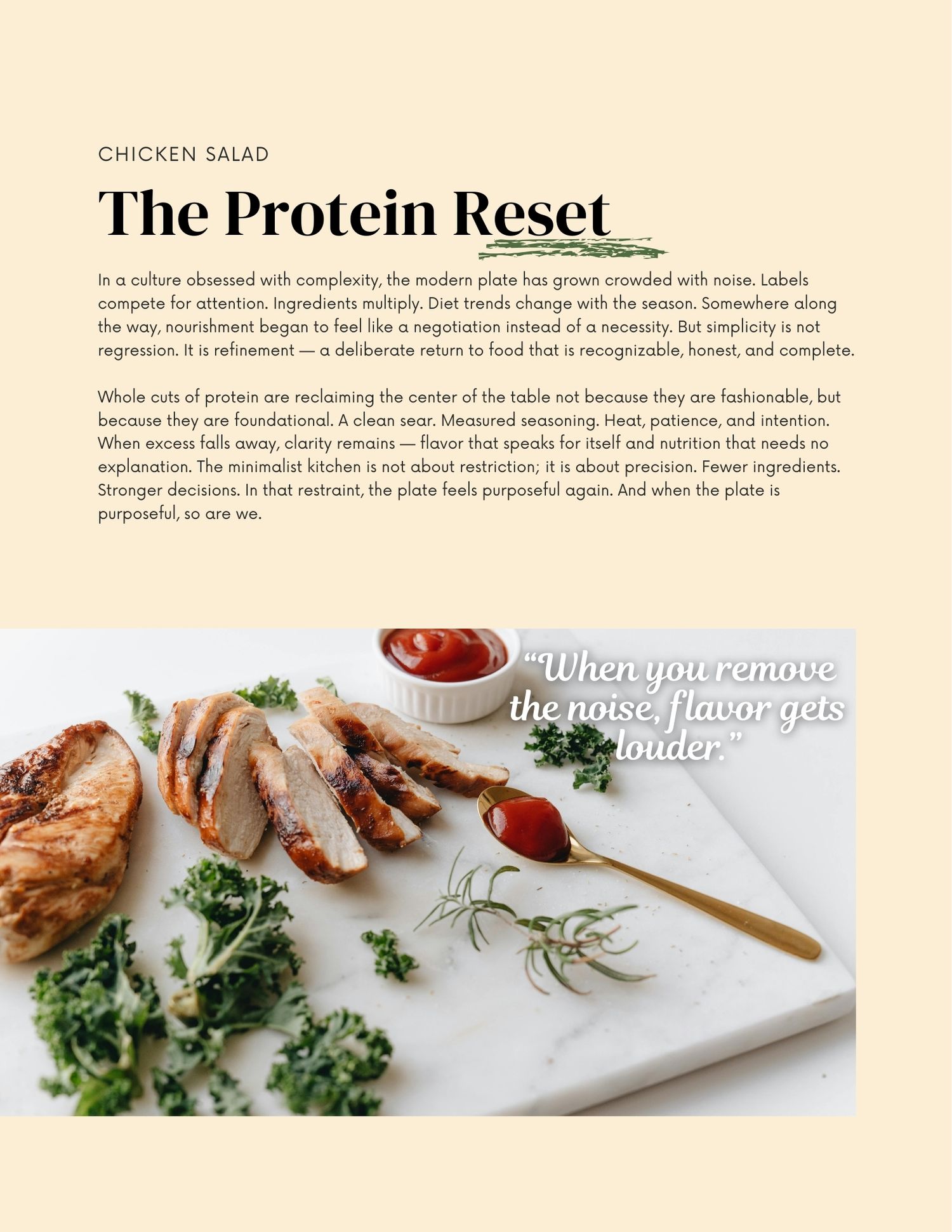
INSIDE
A modular layout system ensures that both static and motion-enabled elements align with a cohesive visual architecture adaptable across publishing and brand environments.
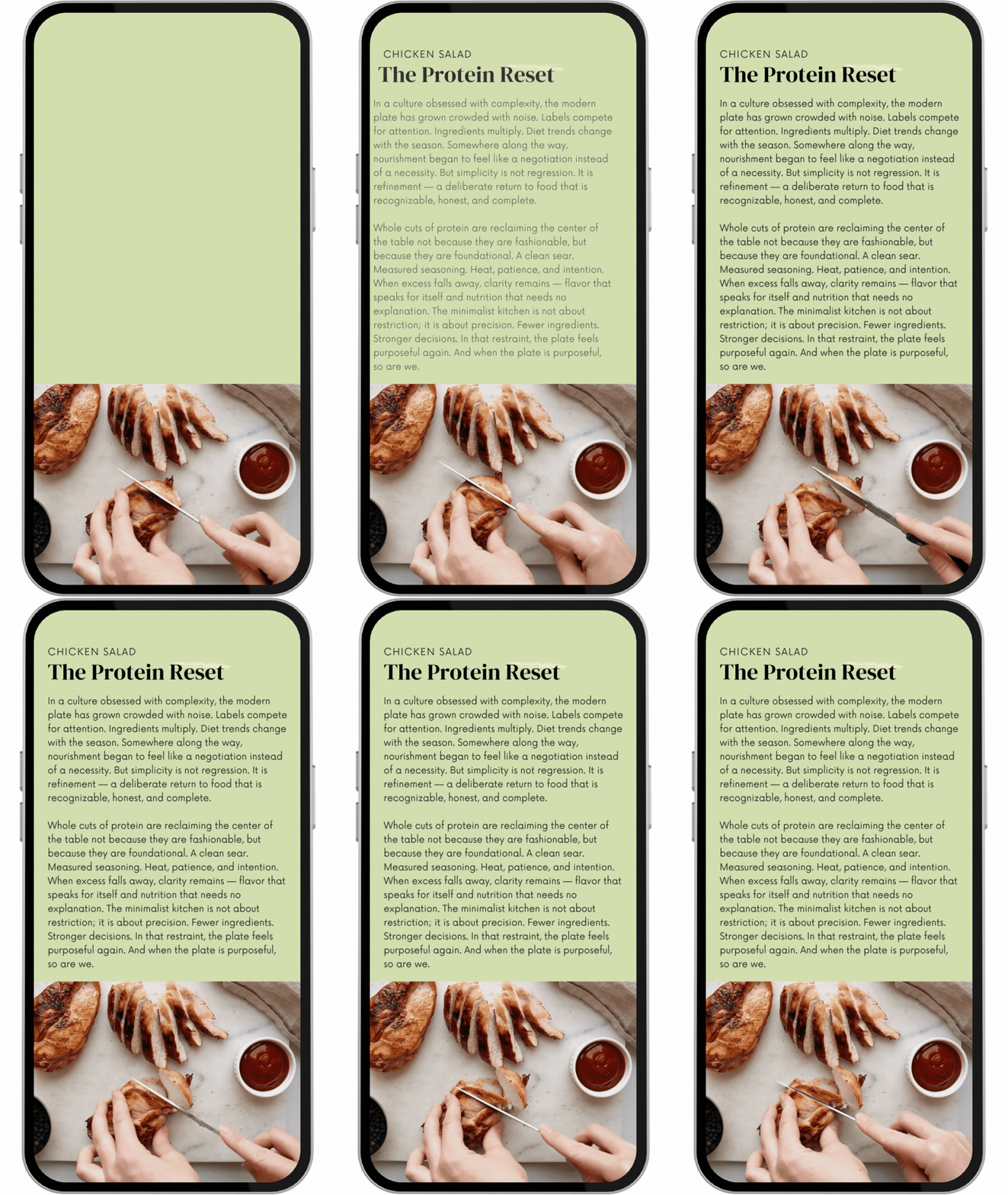
Execution
The platform was prototyped through multiple concept issues inspired by contemporary publishing models.
Each prototype includes:
• Print-ready cover design
• Structured interior layouts
• QR-enabled digital transitions
• Motion-integrated mobile slides
• Cross-platform visual alignment
The result demonstrates a repeatable framework capable of scaling beyond a single concept issue.
Impact & Intent
While self-initiated, FOCUS+ demonstrates:
• Cross-medium art direction
• Systems-level creative thinking
• Integrated campaign architecture
• Forward-looking publishing innovation
The concept positions editorial storytelling as an adaptive, hybrid ecosystem, capable of evolving with contemporary audience behavior while maintaining design integrity.
FOCUS+ reframes editorial design as scalable narrative architecture.
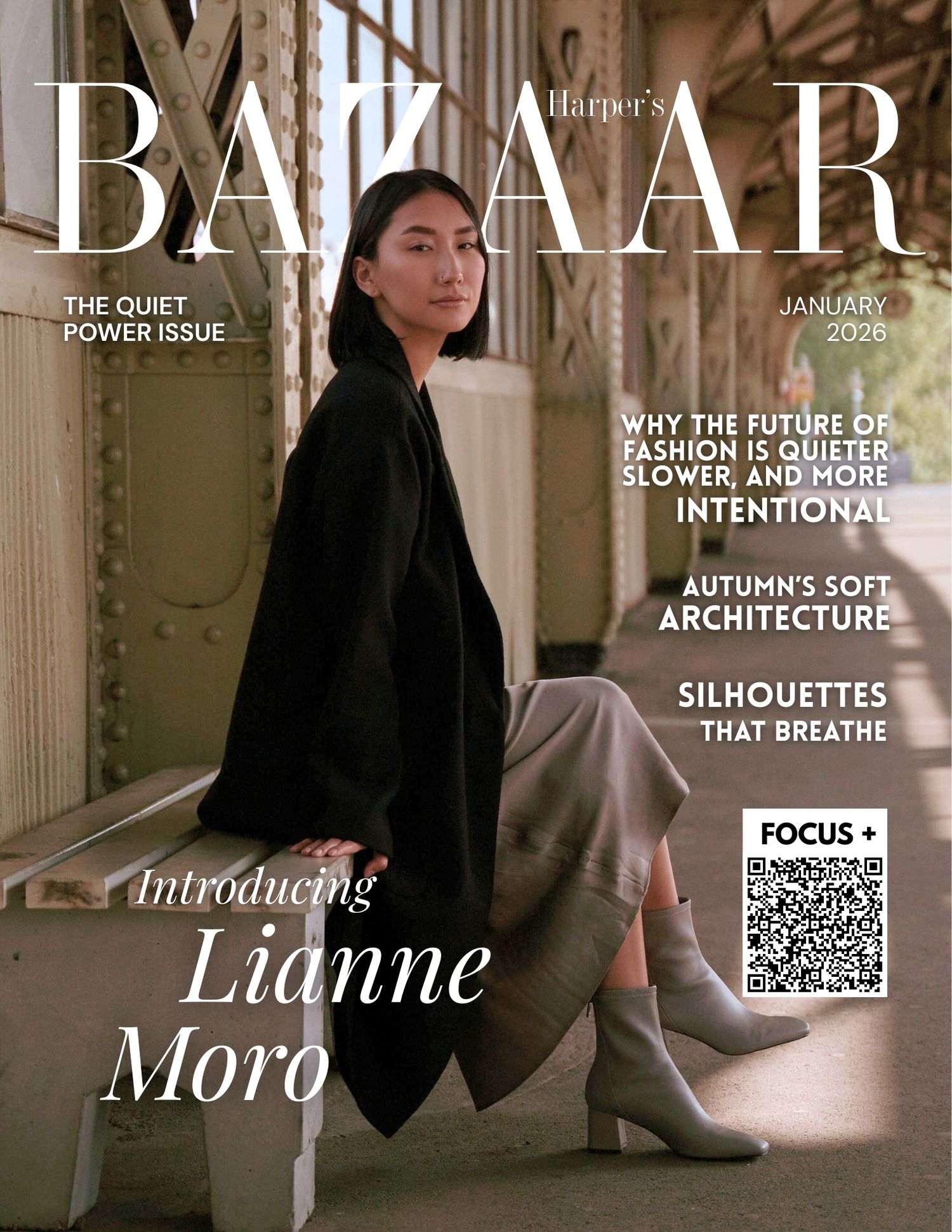
Self-Initiated Concept Prototype